محتوى
A نظام مضيئة هي شبكة الأنابيب والمعدات التي تجمع الغاز المنبعث من صمامات تخفيف الضغط، وصمامات التصريف، وفتحات المعالجة، وتتخلص منه بشكل آمن عن طريق حرقه في نقطة مرتفعة يمكن التحكم فيها بعيدًا عن الأفراد والمعدات. إنه موجود لأن تنفيس الغازات القابلة للاشتعال أو السامة مباشرة إلى الغلاف الجوي نادرًا ما يكون مقبولًا - حيث يقوم نظام التوهج بتحويل ما يمكن أن يكون إطلاقًا غير خاضع للرقابة إلى حدث احتراق مراقب. كحد أدنى، يتضمن النظام المصمم بشكل صحيح أ رأس التجميع، وأسطوانة قاضية لإزالة السائل، وختم الماء لمنع الارتجاع، وطرف الشعلة أو المكدس حيث يحدث الاحتراق بالفعل .
هذه هي الإجابة القصيرة. تتعمق الأقسام أدناه في كيفية حصول كل مكون على مكانه في التصميم، وما هي المعايير التي تحكم الحجم فعليًا، ولماذا يتطلب التشغيل بدون دخان معدات إضافية، ومتى يفضل الاقتصاديون استعادة الغاز بدلاً من حرقه.
نظام التوهج ليس قطعة واحدة من المعدات - إنه سلسلة من المكونات، وتخطي أي واحد منها يؤدي إلى إنشاء وضع فشل محدد وموثق جيدًا. وإليك ما يتحمله كل جزء:
| مكون | وظيفة | ماذا يحدث إذا كان مفقودًا أو صغير الحجم |
|---|---|---|
| رأس المجموعة | يقوم بتوجيه الغاز من الصمامات والفتحات إلى الشعلة | الضغط الخلفي المفرط على أجهزة الإغاثة، والأرجل الميتة، والفخاخ السائلة |
| طبلة الضربة القاضية (KO). | يزيل قطرات السائل المحبوسة قبل أن يصل الغاز إلى طرف الشعلة | ترحيل السائل إلى الطرف، لهب غير مستقر، "المطر المحترق" |
| طبل ختم الماء | يمنع اللهب من الانتشار مرة أخرى إلى الرأس | خطر الارتجاع في نظام الأنابيب العملية |
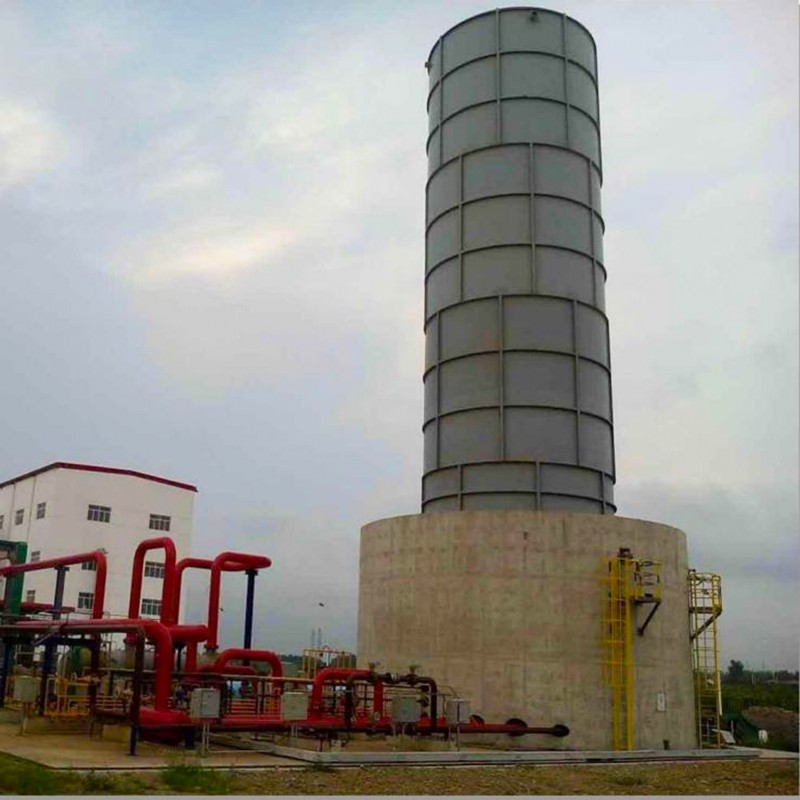
| كومة مضيئة أو طرف | نقطة احتراق متحكم فيها، مرتفعة لضمان مسافة حرارة إشعاعية آمنة | التعرض المفرط للإشعاع على مستوى الأرض للموظفين |
| الطيار ونظام الإشعال | يحافظ على اللهب المستمر جاهزًا حتى يشتعل غاز الإغاثة بشكل موثوق | إطلاق الغاز غير المشتعل أثناء حدث الإغاثة في حالات الطوارئ |
| تطهير إمدادات الغاز | يحافظ على الهواء خارج الرأس لمنع المخاليط المتفجرة الداخلية | خطر الانفجار الداخلي أثناء بدء التشغيل أو فترات التدفق المنخفض |
تستحق أسطوانة الضربة القاضية اهتمامًا خاصًا لأنها إلزامية في كل نظام توهج، وليست ترقية اختيارية. تدعو إرشادات الصناعة إلى إزالة القطرات السائلة وصولاً إلى حجم جسيم محدد قبل أن يصل الغاز إلى الطرف - عادة في نطاق 300 إلى 600 ميكرون - لأن القطيرات الأكبر حجمًا لا تحترق بشكل نظيف وبدلاً من ذلك تسقط على شكل سائل مشتعل، وهو خطر يشار إليه في الصناعة باسم "المطر الحارق". تتطلب معايير التصميم عادة 20 إلى 30 دقيقة من سعة احتجاز السوائل في الأسطوانة، مما يمنح المشغلين نافذة حقيقية لتشخيص حالة الاضطراب واتخاذ الإجراءات التصحيحية قبل امتلاء الأسطوانة.
لا يبدو كل توهج مثل الكومة الطويلة التي يصورها معظم الناس. يعتمد الاختيار بين التصميم المرتفع والتصميم المثبت على الأرض على المساحة ومتطلبات الرؤية وكمية الغاز التي يحتاج النظام إلى التعامل معها.
تضع هذه النقاط نقطة الاحتراق أعلى من الدرجة، باستخدام الارتفاع نفسه كعنصر تحكم أساسي في السلامة - كلما كان اللهب بعيدًا عن الأرض، انخفضت شدة الحرارة الإشعاعية التي يشعر بها الموظفون الموجودون بالأسفل. تتكيف الهياكل الداعمة مع الارتفاع: تُستخدم عادةً الأكوام ذاتية الدعم حتى حوالي 250 قدمًا، وتمتد الهياكل المدعومة ببرج الحفر بشكل مفيد إلى حوالي 400 قدم، ويمكن أن تصل التصميمات المدعمة إلى حوالي 600 قدم قبل أن يصبح هيكل الدعم الخرساني الكامل ضروريًا.
تعمل هذه على الحفاظ على الاحتراق عند مستوى الدرجة أو بالقرب منه، وعادةً ما يكون ذلك داخل حاوية، ويُفضل عمومًا في الأماكن التي يتم فيها إبقاء اللهب بعيدًا عن الرؤية العامة - بالقرب من المناطق السكنية أو المطارات أو المواقع ذات اللوائح الصارمة المتعلقة بالبصر أو الضوضاء. تتعامل تصميمات الشعلات الأرضية متعددة النقاط مع كميات كبيرة من الغاز عن طريق تقسيم الاحتراق عبر مصفوفات شعلات متعددة المراحل بدلاً من لهب واحد كبير، مما يؤدي أيضًا إلى تحسين الأداء بدون دخان عبر نطاق تدفق أوسع.
عند تركه ليحترق من تلقاء نفسه، خاصة مع الهيدروكربونات الأثقل، يميل الشعلة إلى ظهور دخان - ويترك الاحتراق غير الكامل جزيئات الكربون السوداء المرئية في العمود. تعني الحدود التنظيمية للانبعاثات المرئية أن معظم المشاعل الحديثة تحتاج إلى آلية مساعدة للحرق النظيف عبر نطاق التدفق الكامل، وهناك ثلاثة أساليب ثابتة:
لا تعد طريقة المساعدة مجرد مربع اختيار للانبعاثات - فهي تؤثر على الضوضاء والطلب على المرافق وحمل الصيانة طوال عمر النظام. تعتبر المساعدة البخارية أمرًا شائعًا حيث يقوم الموقع بالفعل بتشغيل شبكة بخارية لتلبية احتياجات العمليات الأخرى، نظرًا لأن التكلفة الإضافية منخفضة؛ تصبح المساعدة الجوية أكثر جاذبية في المواقع التي لا تحتوي على بنية تحتية للبخار، على الرغم من التكلفة الإضافية لمعدات المنفاخ والضاغط المخصصة. يعد الاختيار بناءً على التكلفة الرأسمالية الأولية فقط، دون مراعاة المرافق التي يمتلك الموقع بالفعل سعة احتياطية فيها، أحد أخطاء التصميم الأكثر شيوعًا.
لا يُترك تصميم نظام التوهج للحكم الهندسي الفردي وحده - فهو يخضع لمعايير الصناعة المعمول بها والتي تحدد كل شيء بدءًا من أهداف إزالة القطرات وحتى الحد الأقصى لسرعة الغاز المسموح بها في الرأس.
يظهر حدان رقميان من API 521 بشكل مستمر في الممارسة العملية: يتم تحديد سرعة الغاز الرأسي بشكل عام عند عدد ماخ 0.7 كحد أقصى، ويفضل 0.5 لتجنب التعب الصوتي في الأنابيب مع مرور الوقت، وعادةً ما يكون رأس الشعلة نفسه منحدرًا بنسبة لا تقل عن حوالي 1:450 لذلك يتم تصريف أي سائل متكثف بشكل مستمر نحو أسطوانة الضرب بدلاً من التجمع في نقاط منخفضة على طول المسار.
وظيفة نظام الشعلة هي التخلص الآمن، وليس بالضرورة التخلص منه عن طريق الاحتراق في كل مرة. بالنسبة لتدفقات الإغاثة المستمرة أو الروتينية - على عكس أحداث الطوارئ الحقيقية - تقوم العديد من المرافق بتركيب نظام وحدة استعادة غاز الشعلة (FGRU) الذي يلتقط الغاز ويضغطه ويعيده إلى نظام غاز الوقود بالمحطة بدلاً من حرقه.
إن الحالة الاقتصادية واضحة ومباشرة على الورق: فالغاز المستعاد يعوض بشكل مباشر غاز الوقود الذي كان من الممكن أن تضطر المنشأة إلى شرائه أو توليده، كما أن تقليل الحرق المستمر يقلل أيضًا من التعرض للوائح المحلية الصارمة المتعلقة بجودة الهواء والانبعاثات. تعتمد قدرة FGRU على سداد تكاليفها بشكل كبير على حجم واتساق غاز الشعلة الروتيني المعني، وهذا هو السبب في أن دراسة الجدوى المناسبة - تقييم تكلفة النظام مقابل قيمة الغاز المسترد - هي ممارسة معتادة قبل الالتزام بالاستثمار، بدلاً من افتراض أن الاسترداد يستحق العناء تلقائيًا في كل موقع.
نظام التوهج عبارة عن بنية تحتية للسلامة يجب أن تعمل بشكل صحيح في اللحظة التي تكون هناك حاجة إليها بالفعل، غالبًا بعد فترات طويلة من الحد الأدنى من الاستخدام - مما يجعل الصيانة المستمرة نظامًا مختلفًا عن صيانة المعدات التي تعمل بشكل مستمر وتظهر التآكل تدريجيًا.
سواء كنت تقوم بمراجعة تصميم جديد أو تدقيق تثبيت موجود، فإن هذه الأسئلة تغطي النقاط التي من المرجح أن تكون غير محددة أو تم تجاهلها:


 الشركات المصنعة لمعدات الاحتراق والأنظمة الحرارية عالية الأداء (بنظامي OEM وODM)
 English
 русский
 Français
 Español
 عربى
عربى